By Brad Hererra
August 21, 2026
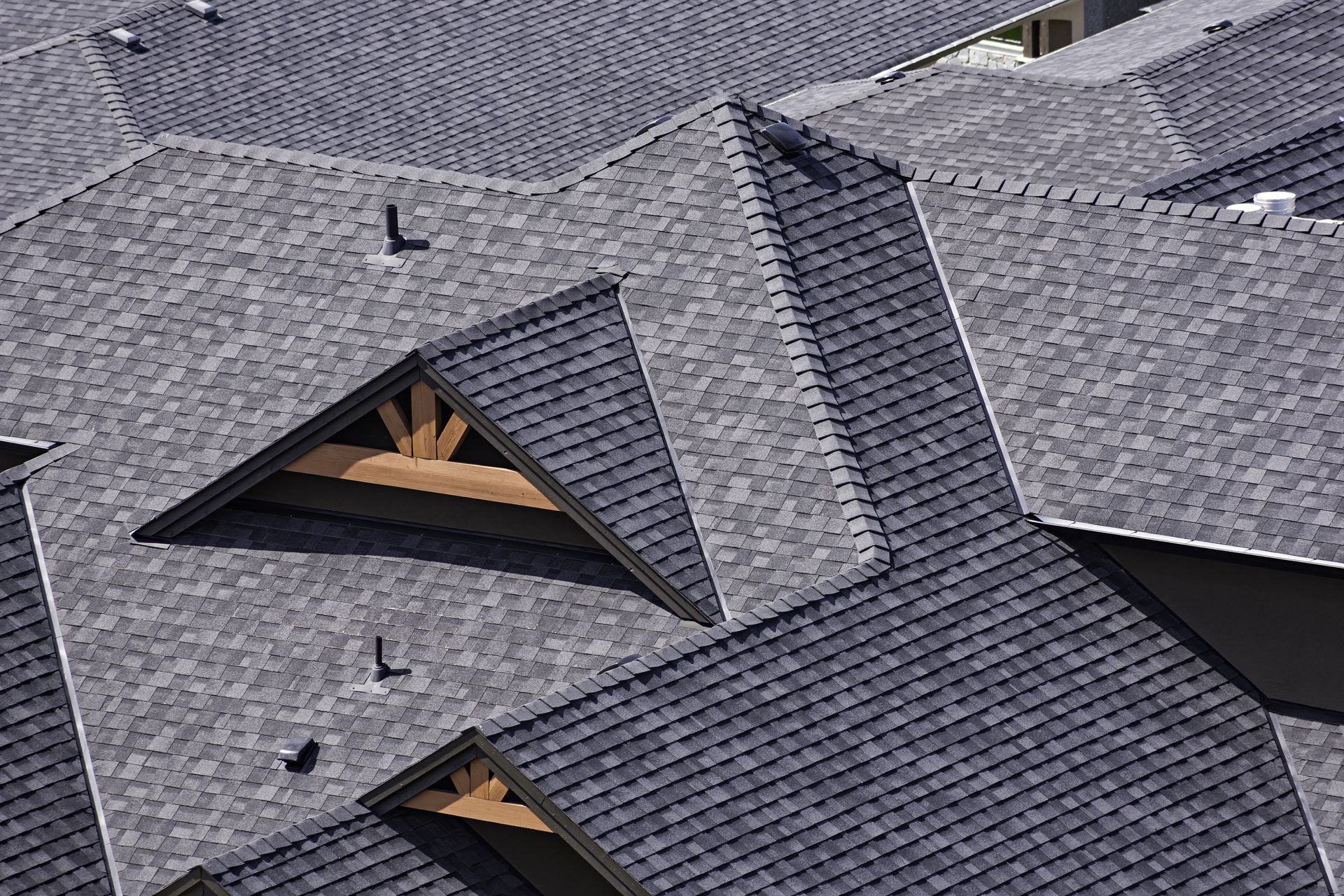
Roofs are among the most critical components of any residential structure, providing essential shelter, thermal regulation, and structural protection from harsh environmental elements. However, like any major mechanical or architectural feature of a house, roofing systems require continuous maintenance and eventual restoration. Understanding precisely when it is essential to contact a certified contractor for roof repair ensures the long-term safety, structural integrity, and financial value of your home. Taking proactive measures to maintain your building envelope guards against unexpected weather hazards, severe interior damage, and catastrophic financial liabilities. By examining common structural vulnerabilities, highlighting the hazards of independent fixes, and outlining the process of selecting a licensed contractor, homeowners can make fully informed decisions regarding their property.
Understanding Common Roof Problems
Identifying early warning signs of exterior deterioration allows property owners to intervene before minor defects escalate into structural failures.
Water intrusion is often the most immediate sign of exterior failure, leading to rapid decay if ignored. Stains across ceilings or interior walls signal active moisture infiltration, which can quickly rot underlying wooden decking, compromise attic insulation, and foster toxic mold growth. Beyond visible interior ceiling rings, water damage frequently manifests as blistering paint, peeling wallpaper, or unexplained musty odors in top-floor rooms. Licensed contractors utilize advanced diagnostic equipment, such as infrared thermal imaging, to pinpoint hidden entry points that remain invisible to the naked eye. According to This Old House, in their survey, around 79% of homeowners hired roofing contractors for repair projects. Entrusting active leak mitigation to qualified specialists prevents health hazards and protects the overall structural framework.
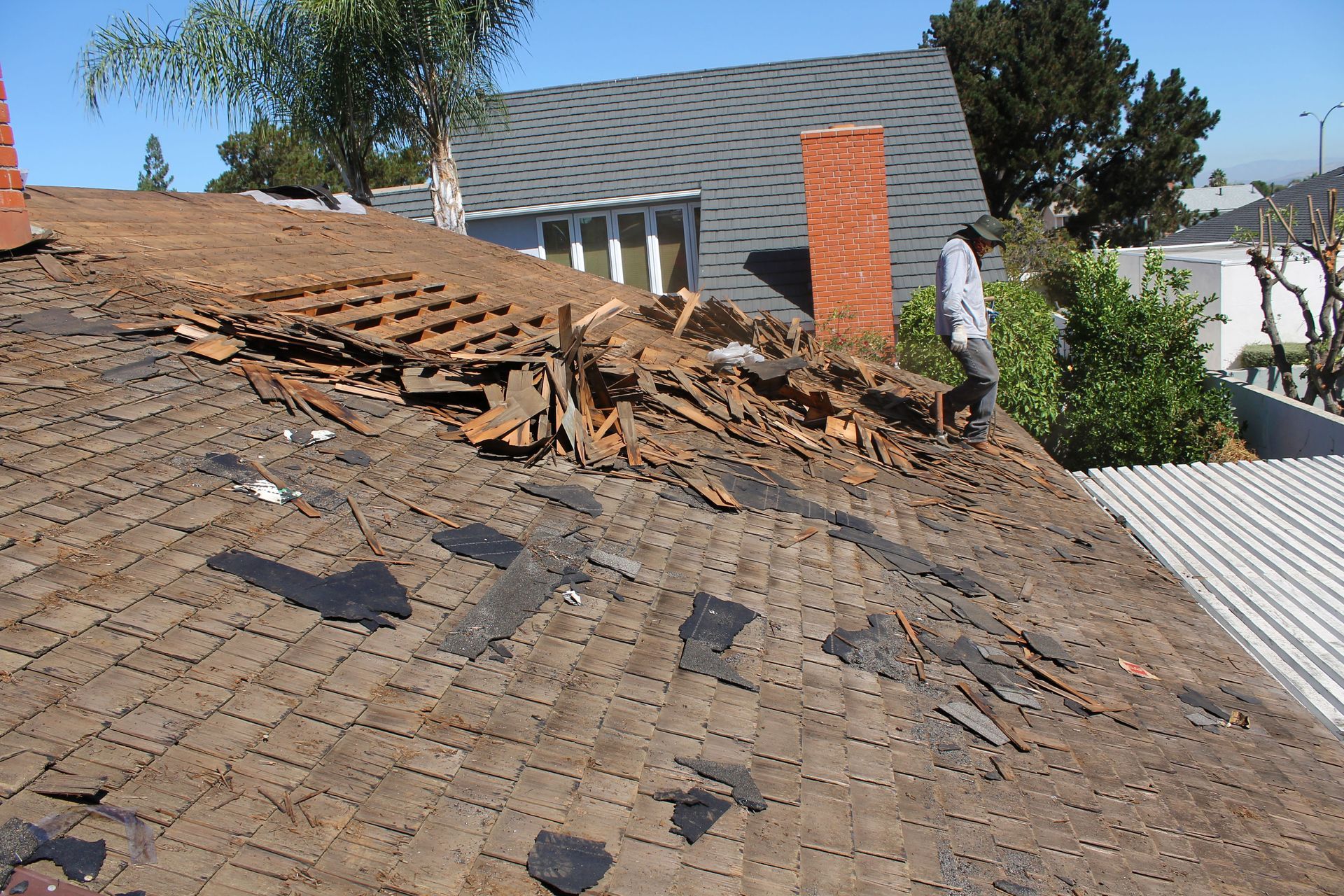
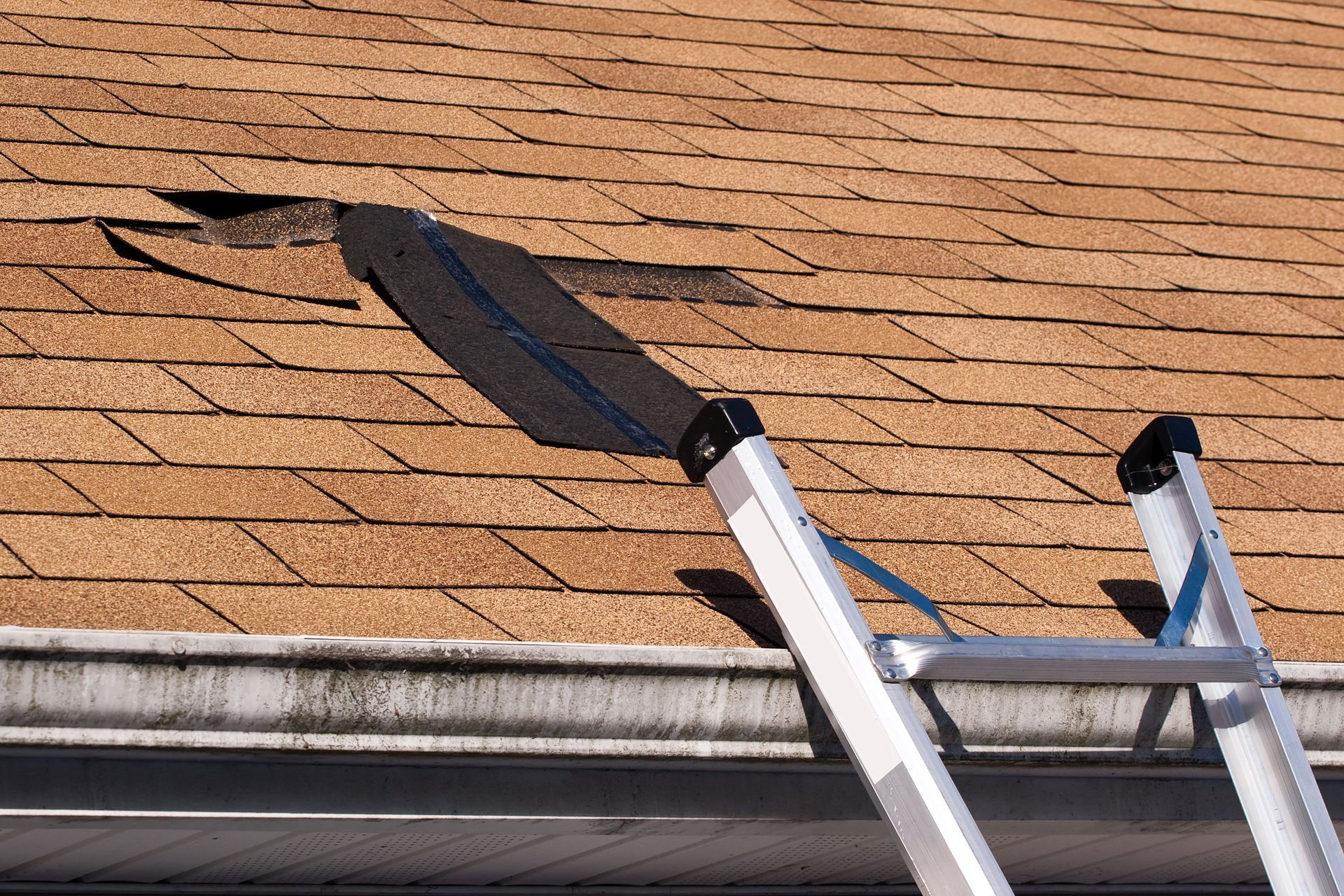
Damaged or missing shingles significantly compromise a home's defense against rain and wind uplift. Exposure to intense ultraviolet rays, driving rain, and strong winds causes asphalt shingles to curl, crack, or shed their protective mineral granules over time. When these protective barriers degrade, underlying underlayment becomes exposed, drastically accelerating the risk of severe moisture leaks. Professional contractors evaluate the total extent of shingle decay, determining whether localized patching or a complete system replacement is necessary. Furthermore, attempting to replace shingles without specialized safety equipment risks severe personal injury and improper installation, which ultimately leads to repeated water infiltration.
Gutters play an indispensable role in directing water runoff safely away from a home's foundation and siding. Clogged, sagging, or detached gutters cause water to pool along the roof edge, backing up beneath the lowest courses of shingles and rotting the underlying fascia boards. Similarly, structural issues such as sagging ridge lines, visible roof deck dipping, or compromised rafters require immediate, professional roof repair intervention. Structural shifting often stems from years of neglected leaks or excessive structural loads. Expert contractors possess the engineering knowledge and specialized framing tools needed to safely stabilize and rebuild sagging structural members, restoring total physical stability to the property.
Dark streaks, moss carpets, and algae blooms on exterior surfaces are more than just cosmetic blemishes; they signal chronic moisture retention. Moss acts like a dense sponge, trapping water against shingle surfaces and causing them to lift during freeze-thaw cycles or extreme weather events. Furthermore, mold growth within attic spaces severely degrades indoor air quality, posing respiratory risks to household occupants. Certified contractors utilize specialized, non-abrasive chemical washes to eradicate biological growth without stripping away vital shingle granules. They also evaluate attic ventilation systems, recommending ridge vents or soffit upgrades that control humidity levels and eliminate the environmental conditions that support biological infestations.
The Inherent Risks of DIY Roof Repairs
Attempting independent exterior restoration introduces severe personal hazards, financial liabilities, and potential long-term damage to the property.
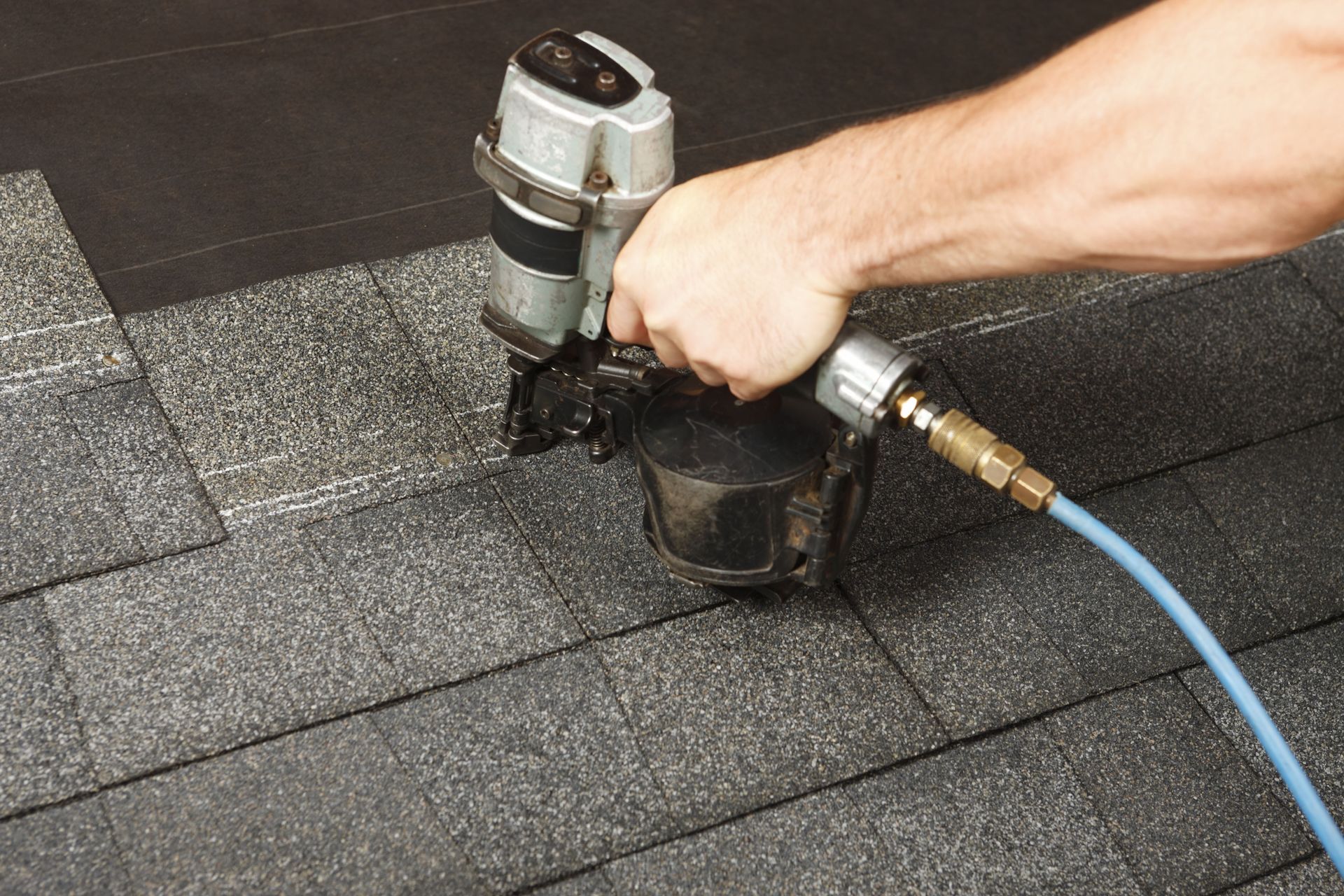
Working at elevated heights presents extreme physical dangers to untrained individuals. Falls from ladders or steep roof pitches represent one of the leading causes of severe residential construction injuries. Certified contractors undergo rigorous safety training, utilizing commercial-grade harness systems, specialized staging, and non-slip footwear to navigate steep slopes safely. Additionally, proper roof repair requires specialized tools, including pneumatic coil nailers, shingle gauges, flashing benders, and commercial sealants. Attempting complex structural work with basic household tools inevitably leads to improper material application, compromising the weather barrier and increasing long-term repair costs.
Modern roofing materials come with comprehensive manufacturer warranties that safeguard homeowners against material defects for decades. However, almost all manufacturers explicitly state that improper installation or uncertified repairs void these warranty protections entirely. Performing independent work risks losing your long-term warranty coverage, leaving you personally liable for future system failures. Furthermore, selecting incompatible materials—such as applying non-system sealants or miscategorized metals—causes chemical reactions or galvanic corrosion that rapidly deteriorates surrounding components. Professional contractors ensure that every component used complies with manufacturer specifications and local building codes.
Inexperienced attempts at fixing leaks frequently address surface symptoms while leaving root causes untouched. Mismatched shingle installation, improper flashing placement, or over-driven fasteners create new pathways for water intrusion, compounding interior damage over time. From an insurance perspective, property carriers frequently inspect damage claims closely. If an adjuster determines that an active leak or structural failure resulted from uncertified, improper DIY work, the insurance company may deny the claim outright. Hiring licensed contractors guarantees that all completed work meets strict industry standards, preserving your property insurance protections during severe weather events.
When to Call a Professional Immediately
While routine inspections should occur biannually, certain emergency scenarios demand immediate professional intervention.
High-velocity winds, severe hail, falling tree limbs, and tropical storms can instantly strip away protective outer layers or puncture structural decking. When severe weather exposes underlying framing to open rainfall, scheduling emergency roof repair stabilizes the building envelope before water ruins interior living areas. Emergency response teams deploy temporary tarping systems, secure loose structural elements, and document total storm damage for insurance claims. Fast action following a major weather event prevents widespread interior collapse, mold contamination, and costly content loss.
Metal flashing sealed around chimneys, skylights, plumbing stacks, and wall intersections represents a primary failure point on residential roofs. Over time, temperature fluctuations cause flashing metals to expand and contract, breaking sealant bonds and allowing water to stream into interior wall cavities. If you notice rusted flashing, dried caulking, or active dampness surrounding skylights, contact a professional immediately. Additionally, if your roofing system is approaching the end of its intended operational lifespan, continuous spot fixes become economically unviable. Professional contractors provide honest assessments, helping you determine when minor spot interventions should give way to a complete system overhaul.
Choosing the Right Professional Contractor
Partnering with a reputable, fully credentialed contractor ensures high-quality workmanship and long-term peace of mind.
Before signing any service contract, verify that the contractor holds active state licensing and comprehensive insurance coverage, including both general liability and workers' compensation policies. Requesting proof of insurance protects you from financial liability should a worker sustain an injury on your property. Furthermore, selecting a local contractor with deep roots in your community guarantees that they understand regional weather challenges, municipal permitting requirements, and local building codes. Established local companies rely heavily on their regional reputation and are readily available should warranty follow-ups be required down the road.
Knowing when to contact a professional for specialized
roof repair protects your financial investment, safeguards your household's health, and preserves the structural integrity of your primary residence. From identifying subtle water stains and compromised shingles to executing complex structural corrections, certified contractors possess the diagnostic tools, physical safety equipment, and technical expertise required to manage steep-slope projects safely. Rather than risking personal injury, voiding manufacturer warranties, or causing compounded structural damage through uncertified DIY attempts, relying on experienced specialists delivers lasting protection and complete peace of mind across every season. To secure your home with top-tier craftsmanship, expert storm damage restoration, and reliable structural maintenance, contact the dedicated team at Absolute Roofing of Southwest Florida today.